

27th November 2026
Frozen Pipes and Escape of Water: Could Your Home Be at Risk This Winter?
When temperatures fall below freezing, burst pipes and water damage become important considerations for homeowners.
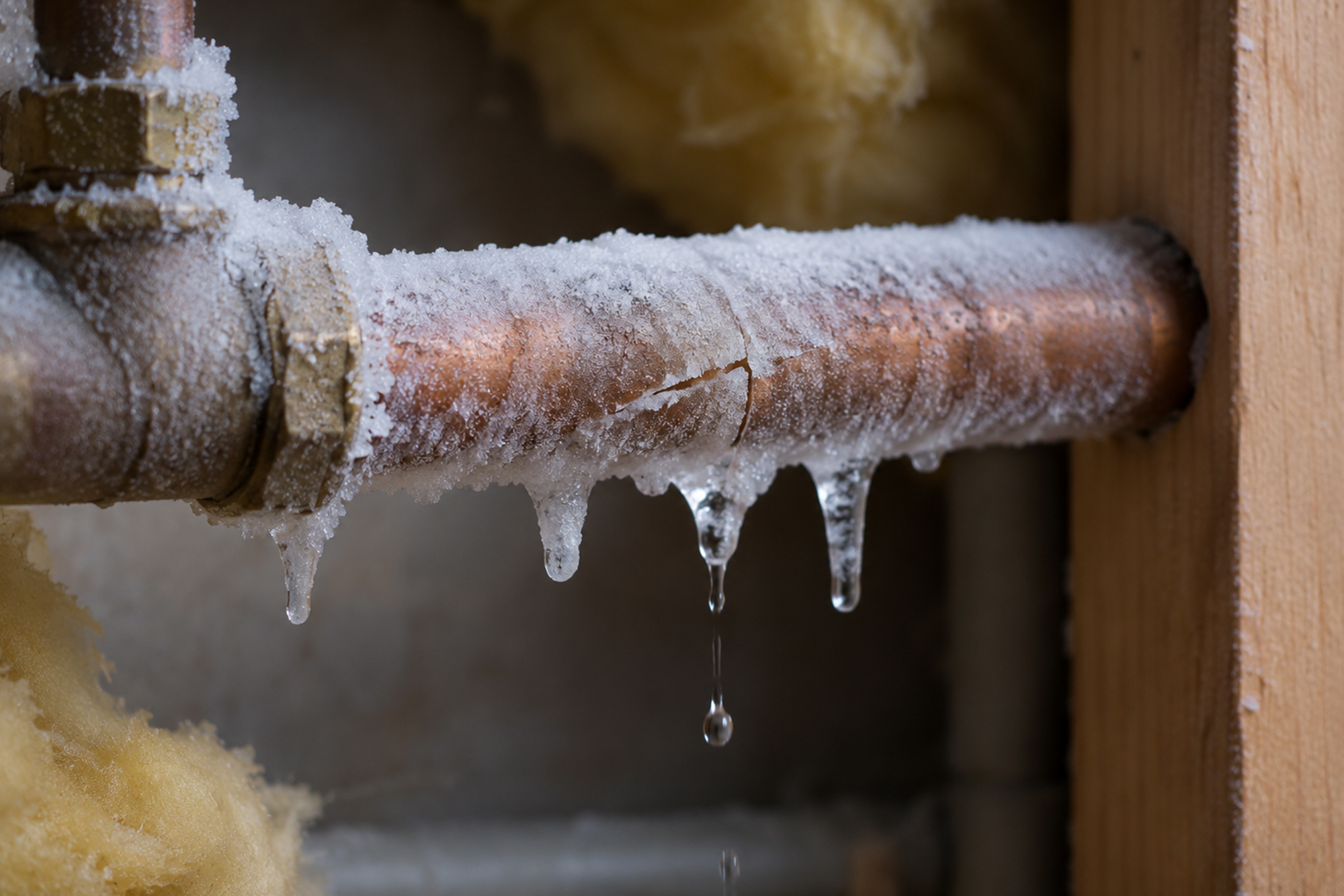
A damaged pipe may appear to be a relatively minor plumbing problem, but escaping water can affect ceilings, floors, electrical systems, furniture and internal finishes.
For larger homes and properties with extensive plumbing systems, identifying a leak quickly may help limit the extent of the resulting damage.
How Much Can a Burst Pipe Cost?
The Association of British Insurers reported that insurers settled approximately 8,000 claims for weather-related pipe damage during 2024, paying a total of £250 million. The average claim was almost £33,000.
These figures illustrate the potential financial impact of water damage, particularly when escaping water affects ceilings, flooring, walls and other parts of a property. Depending on the policy, cover may apply to the resulting water damage rather than the cost of repairing or replacing the defective pipe itself. Homeowners should check their individual policy wording.
Water can travel through walls, floors and ceilings before becoming visible. In some circumstances, drying, removing damaged materials and reinstating affected rooms may take considerable time.
Why Pipes Freeze
When water freezes inside a pipe, it expands and can place pressure on the pipework.
Pipes located in lofts, garages, outbuildings and other poorly heated areas may be particularly exposed during prolonged cold weather.
Problems may also become apparent when temperatures rise and frozen pipes begin to thaw, allowing water to escape through damaged sections.
Appropriate insulation and maintaining suitable temperatures may help reduce the risk of frozen pipes.
What Do Insurers Expect Homeowners to Do?
Home insurance policies can contain conditions relating to heating, property maintenance and precautions during cold weather.
Some policies may require homeowners to maintain a minimum temperature, leave the heating operating at specified times or turn off the water supply when the property is left empty.
These requirements vary between insurers, so homeowners should check their own policy rather than assuming that leaving the heating on a low setting will satisfy the conditions.
It is also worth reviewing any requirements relating to second homes or properties that are not occupied throughout winter.
Know Where Your Stopcock Is
One practical preparation is making sure everyone in the household knows how to turn off the mains water supply.
The internal stopcock is often located beneath the kitchen sink, although its position varies between properties.
Homeowners should check that it can be accessed and operated when needed.
If a pipe bursts, turning off the water promptly may help limit further damage. Where appropriate, heating and water-heating systems may also need to be switched off, following suitable safety advice.
Other Steps Worth Considering
Before particularly cold weather arrives, homeowners may wish to:
- Insulate exposed pipes and water tanks.
- Check that heating systems are working correctly.
- Review the temperature settings required by their insurance policy.
- Repair dripping taps and visible plumbing defects.
- Check plumbing in garages, lofts and outbuildings.
- Make sure household members know how to isolate the water supply.
- Review arrangements when leaving the property unattended.
Water leak detection devices may also be worth considering, particularly for larger properties or homes containing valuable interiors.
What Does Escape of Water Insurance Cover?
Escape of water is commonly included within buildings and contents insurance, but the precise cover depends on the policy.
Insurance may respond to certain sudden and unexpected incidents involving leaking or burst pipes, subject to the applicable terms and conditions.
Depending on the policy, escape of water cover may apply to the resulting damage caused by leaking water, such as damage to ceilings, walls, flooring and other insured parts of the property, rather than the cost of repairing or replacing the defective pipe itself. Homeowners should check the individual policy wording, as cover, limits and exclusions vary.
Some policies may provide additional cover for locating and accessing the source of a leak, often referred to as trace and access cover. However, this does not necessarily include the cost of repairing the defective pipe.
Exclusions may also apply to gradual deterioration, poor maintenance or failure to comply with policy conditions.
Understanding these distinctions before a problem occurs can help homeowners make informed decisions about their insurance arrangements.
Reviewing Your Home Insurance
At W B Baxter, we can help homeowners review their buildings and contents insurance and understand the conditions that may apply during winter.
Telephone: 020 8554 5500
eppingbroking@adlerfairways.co.uk
Sources:
ABI – Advice for Homeowners and Drivers Ahead of Cold Weather
ABI – Stay Safe in Cold Weather
Met Office – 10 Things You Should Do Now to Prepare for Winter
As part of Adler Fairways, we combine W B Baxter’s personal approach with access to wider insurance expertise and markets.
Insurance cover is subject to policy terms, conditions, limits and exclusions. Requirements relating to heating, water supplies and property occupancy vary between insurers.