
26th March 2026
What Happens When a Business Is Hit by a Ransomware Attack?
Ransomware attacks have become one of the most disruptive forms of cyber crime affecting modern businesses. While the headlines often focus on the scale of attacks, many business owners are unsure what actually happens when ransomware strikes and how organisations recover from such incidents.
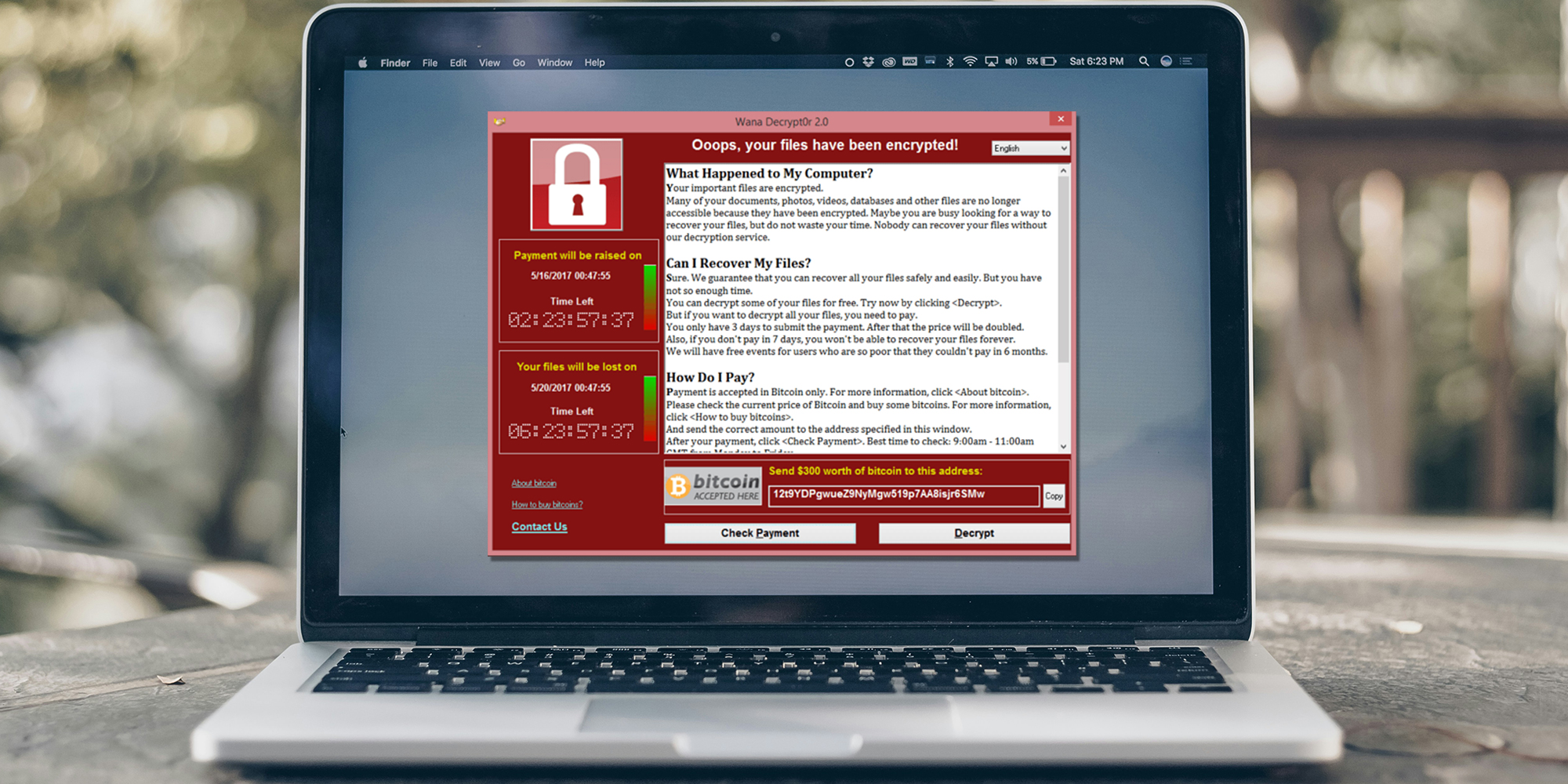
In a ransomware attack, criminals gain access to a company’s systems and deploy malicious software designed to encrypt files or lock access to critical data. Once systems are compromised, the attackers typically demand payment in exchange for restoring access or preventing the release of stolen information. In many cases, businesses are unable to access key systems, documents or communications, bringing normal operations to a halt.
One of the immediate consequences of a ransomware attack is business interruption. If internal systems, websites or payment platforms are unavailable, organisations may be unable to continue trading or delivering services. This can quickly lead to lost revenue, operational disruption and reputational concerns if customers or partners are affected.
Following the initial discovery of an attack, businesses often require specialist IT forensic investigation. Cyber security experts work to identify how the attackers gained access, assess the scale of the breach and determine whether data has been stolen or compromised. This investigation is an essential step in understanding the incident and preventing further damage.
The recovery process can involve restoring systems, recovering data and rebuilding parts of the affected network infrastructure. In some cases, businesses may need to reinstall systems or recover backups while security vulnerabilities are addressed. Depending on the scale of the incident, this process can take days or even weeks.
There may also be legal and regulatory considerations, particularly if personal or sensitive data has been accessed. Businesses may need to notify regulators, affected individuals or customers depending on the nature of the breach and applicable data protection requirements. Managing communications and compliance during this time can add further pressure on organisations already dealing with operational disruption.
This is where a cyber policy with ransomware cover can play an important role. Cyber policies are designed to help businesses manage the financial and operational impact of cyber incidents, including ransomware attacks. Cover may include access to specialist incident response teams, forensic investigators, legal advisers and support for system recovery.
Working with an experienced insurance broker can also make a significant difference during a cyber incident. At W B Baxter, the same adviser who arranges a client’s policy remains available to support them if a claim arises. This continuity ensures businesses can speak directly with someone who understands their cover and can guide them through the claims process at what is often a stressful and uncertain time.
While cyber security measures remain essential for reducing risk, having the right support in place can help businesses respond more effectively if an incident occurs. As ransomware attacks continue to evolve, understanding how they impact organisations and how businesses can recover has become an important part of modern risk management.
Sources
National Cyber Security Centre – Ransomware guidance
National Cyber Security Centre – Managing a cyber incident
IBM Security – Cost of a Data Breach Report
UK Government – Cyber Security Breaches Survey